Primary Perks of Professional eWaste Recycling: What You Need to Discover
The disposal of electronic waste presents a critical concern in the present digital landscape. Competent electronic waste removal firms protect the biosphere and guarantee compliance with applicable standards. They address security threats issues and streamline the waste removal process, which can markedly impact costs and corporate reputation. Recognizing the multifaceted merits of these services is critical for entities endeavoring to manage their electronic waste responsibly. What primary considerations should businesses weigh when choosing a disposal partner?
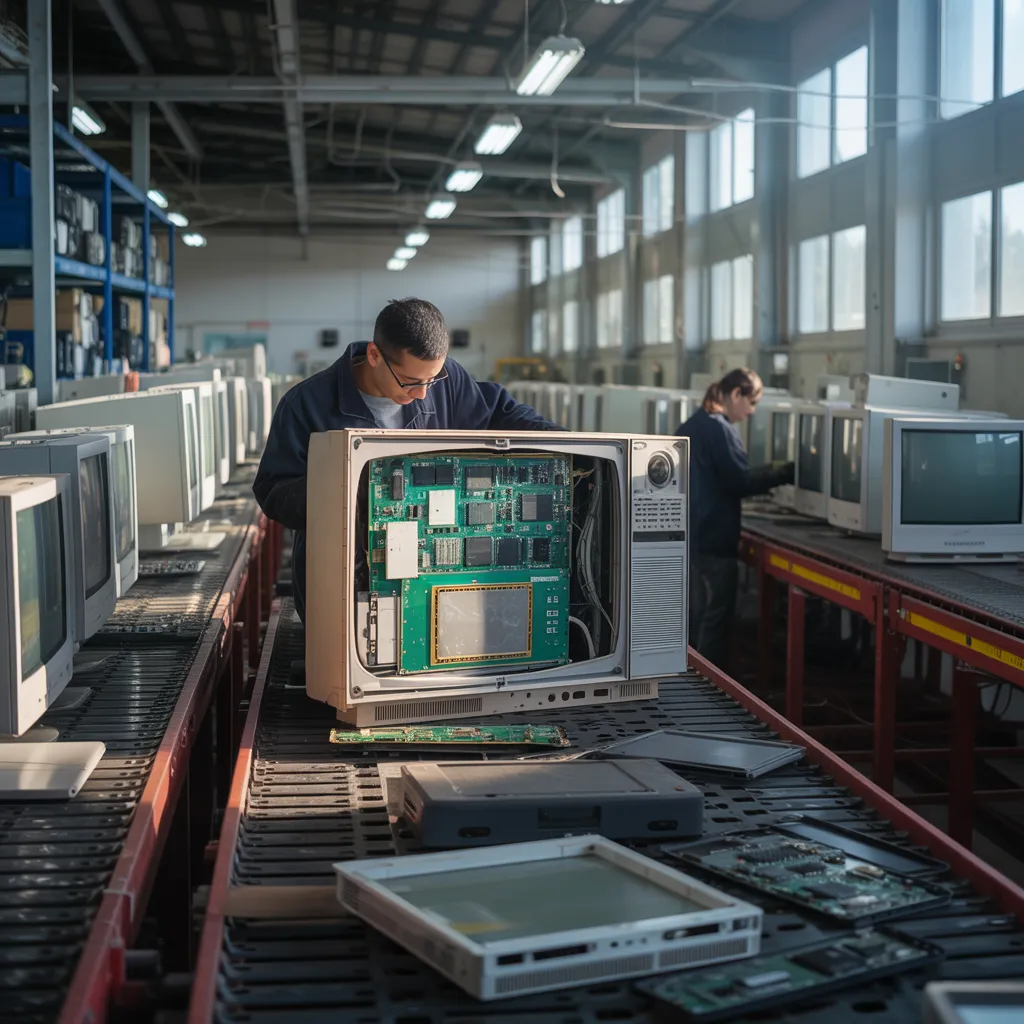
Why E-Waste Handling Matters for the Environment
Although technology moves forward at a rapid pace, the environmental damage caused by electronic waste stands as a significant problem. E-waste, which incorporates old electronics like smartphones, computers, and televisions, frequently includes toxic substances such as lead, mercury, and cadmium. When incorrectly discarded, these materials can penetrate into soil and water sources, introducing substantial risks to natural systems and people.
Additionally, e-waste contributes to the growing landfill problem, where critical resources are discarded. Recycling and correct disposal serve to mitigate these effects by recovering materials such as metals and plastics. Expert e-waste disposal services guarantee adherence to environmental standards, supporting responsible consideration of electronic waste. By placing emphasis on proper e-waste disposal, individuals and businesses can assume a vital role in safeguarding the environment, preserving resources, and advocating for a sustainable future. Such steps are fundamental for minimizing the environmental footprint of a technology-driven society.
The Part of Conformity in E-Waste Handling Standards
Meeting e-waste regulatory requirements is crucial in establishing a framework that regulates the handling of electronic refuse. These requirements not only guarantee that businesses comply with ecological standards but also mitigate the negative consequences of substandard disposal on ecosystems. Understanding the intersection of regulatory requirements and environmental considerations is paramount for effective electronic waste handling.
Framework for Legal Adherence
The regulatory structure governing e-waste management is essential for ensuring sustainable practices. Various rules, such as the Resource Conservation and Recovery Act (RCRA) in the United States, establish guidelines for the handling and disposal of electronic waste. These laws aim to mitigate safety hazards and ecological dangers linked to improper disposal. Adherence to these rules not only safeguards public health but also promotes accountability among producers and consumers. Additionally, global treaties, like the Basel Convention, highlight the importance for sustainable e-waste management on a global scale. Companies must stay informed about these regulatory obligations to avoid fines and advance sustainable practices. Understanding this structure is essential for any entity engaged in e-waste disposal.
Environmental Impact Considerations
Poor handling of e-waste generates serious ecological hazards, making adherence with disposal requirements an vital factor in reducing these hazards. Electronic devices typically hold harmful materials, such as lead and mercury, which can infiltrate into soil and water, impacting ecosystems and public health. Adhering to e-waste disposal requirements secures that hazardous materials are managed safely, decreasing the probability of environmental contamination. Furthermore, adherence promotes the recycling of important materials, advancing environmental responsibility and resource conservation. Organizations that stress regulatory adherence not only contribute in environmental protection but also improve their reputation. As awareness of e-waste issues grows, adherence becomes progressively essential for businesses and individuals view information about striving to lessen their ecological footprint and back responsible disposal practices.
How Professional Services Ensure Safe Handling of Dangerous Materials
Numerous organizations encounter the challenge of managing hazardous materials present in electronic waste, making professional services critical for safe treatment. These services are furnished with the expertise and resources needed to handle toxic substances, such as lead, mercury, and cadmium, which are commonly found in outdated electronics. Professionals follow stringent regulations and guidelines to guarantee compliance with environmental laws, decreasing the risk of contamination and harm.
Furthermore, trained specialists utilize advanced equipment and procedures to safely deconstruct and process electronic components. This process reduces exposure to toxic substances, protecting both workers and the community. Professional services also provide proper documentation, maintaining accountability in the disposal chain. By entrusting e-waste disposal to certified experts, organizations can mitigate potential liabilities and support sustainable practices, creating a safer environment for all. Consequently, professional e-waste disposal is not only a legal necessity but also a ethical approach for managing hazardous materials.
Data Protection: Why Professional E-Waste Management Matters
Protecting information safety represents a critical concern for enterprises disposing of electronic waste. Legacy equipment typically store sensitive information, such as consumer information, intellectual property, and accounting files. Negligent handling may lead to privacy violations, leaving companies susceptible to regulatory penalties and loss of credibility. Professional e-waste disposal services implement certified methods to permanently destroy data from devices, ensuring that it cannot be recovered.
These services often follow strict compliance regulations, like GDPR and HIPAA, which require the secure handling of sensitive information. Organizations that entrust e-waste disposal to experts mitigate dangers associated with data theft and unauthorized access. Furthermore, these experts provide documentation that validates proper data destruction, offering peace of mind to companies focused on their data security. In a time when cyber threats are common, prioritizing professional e-waste disposal is important for safeguarding sensitive information and maintaining trust with clients and stakeholders.
Enhancing Your E-Waste Handling Method
Streamlining the e-waste disposal process involves implementing efficient collection methods and simplified sorting procedures. These practices not only improve operational efficiency but also ensure secure waste management protocols are followed. By optimizing these steps, organizations can markedly decrease their ecological footprint and bolster adherence with regulations.
Optimized Collection Systems
Effective methods for collection are essential in advancing the process of e-waste disposal. By adopting scheduled pickups and dedicated drop-off locations, organizations can markedly reduce the barriers that consumers face when disposing of electronic waste responsibly. The use of specialized collection vehicles and experienced personnel confirms that e-waste is handled with safety and security, cutting down risks of environmental contamination. Additionally, collaborating with local businesses and community groups can strengthen outreach efforts, encouraging wider involvement in recycling initiatives. Sophisticated tracking systems can be utilized to oversee collection rates and detect trends, aiding ongoing enhancements in disposal methods. In the end, these effective collection methods support a more sustainable way to handle electronic waste, benefiting both the environment and local populations.
Simplified Sorting Procedures
Drives to strengthen streamlined acquisition systems inherently require the need for uncomplicated categorization processes. Streamlining the sorting process considerably diminishes the time and labor demanded by e-waste disposal. By adopting clear categorization systems, organizations can effortlessly locate and separate various types of electronic waste, such as computers, mobile devices, and appliances. This not only accelerates the disposal process but also lowers the risk of interference among different materials. Additionally, simplified sorting alleviates the weight on workers, allowing them to focus on compliance and safety measures. Ultimately, strong categorization methods assure that e-waste is administered ethically, setting the stage for correct recycling and disposal, while also enhancing overall environmental sustainability.
Responsible Recycling Approaches
Implementing safe recycling procedures is essential for efficient e-waste disposal. Professionals in the field emphasize methods that limit environmental impact and guarantee compliance with regulations. This includes the correct segregation of elements, such as metals, plastics, and hazardous components, to facilitate effective recycling. By employing certified recycling facilities, e-waste is processed with the highest care, reducing the risk of dangerous chemicals contaminating the environment. Additionally, safe practices promote the recovery of valuable materials, contributing to a sustainable economy. Organizations that utilize these practices not only protect the environment but also improve their reputation as responsible corporate citizens. Ultimately, adopting safe recycling practices optimizes the e-waste disposal process, ensuring sustainability and compliance with legal standards.
Cost Advantages of Expert E-Waste Disposal
Many companies discover that professional e-waste disposal can profoundly reduce extended expenses linked to managing obsolete electronics. By outsourcing e-waste management, organizations reduce expenses connected with storage, handling, and potential fines for improper disposal. Expert solutions often include collection, transportation, and recycling, streamlining the process and reducing labor costs.
Additionally, certified e-waste processing providers guarantee adherence with ecological regulations, helping businesses avoid significant penalties that stem from non-compliance. This proactive approach not only mitigates financial setbacks but also improves the company's reputation as an green-minded organization.
Additionally, many e-waste disposal services provide information destruction services, safeguarding confidential data and removing the threat of security breaches that could lead to expensive legal consequences. Ultimately, spending on expert electronic waste removal results in significant savings, reinforcing the necessity of implementing a deliberate strategy to e-waste handling.
Selecting a reputable E-Waste Removal Provider?
How can businesses ensure they choose a reputable e-waste disposal service? First, they should verify credentials and adherence with local rules, ensuring the service adheres to ecological standards. A reliable provider will have certifications such as R2 or e-Stewards, which demonstrate ethical waste management practices.
Next, businesses should assess the provider's experience and track record. Customer testimonials and reviews can reveal information about the reliability and quality of service. Additionally, a reputable firm will offer transparent pricing and plainly describe their management methods.
It is also important to examine data security practices. A credible service should guarantee the secure destruction of sensitive information on devices. Finally, businesses may benefit from opting for a service that furnishes additional services, such as asset recovery or refurbishment, strengthening overall value. By pursuing this approach, businesses can confidently select a credible e-waste disposal partner that aligns with their sustainability goals.
Frequently Asked Questions
What Categories of Electronic Devices Can Be Disposed of by Professionals?
Professionally managed electronics include computers, monitors, televisions, printers, smartphones, tablets, and other devices containing circuit boards or batteries. Proper disposal ensures hazardous materials are managed safely, encouraging environmental responsibility and compliance with regulations.
When Should Businesses Remove E-Waste Regularly?
Companies should discard e-waste at least annually, or more frequently based on their volume of aged electronics. Consistent disposal helps reduce ecological impact and ensures compliance with regulations concerning toxic substances.
Are there any tax incentives for electronic waste recycling?
Tax incentives for e-waste recycling are offered in various forms, such as deductions and credits. These benefits encourage companies to recycle responsibly, decreasing environmental impact while possibly lowering their tax liabilities through involvement in authorized recycling initiatives.
Can Non-Profit Organizations Benefit From E-Waste Removal Services?
Non-profit groups can indeed take advantage of e-waste disposal programs. These services often provide budget-friendly solutions, promote environmental responsibility, and may enable fundraising prospects through partnerships, improving their community engagement and sustainability efforts.
Where Does E-Waste End Up Following Commercial Removal?
After professional disposal, e-waste is generally dismantled, with reusable resources separated. Hazardous substances are securely handled, while functional parts are refurbished or reallocated, ensuring environmental safety and promoting resource conservation in a sustainable manner.